


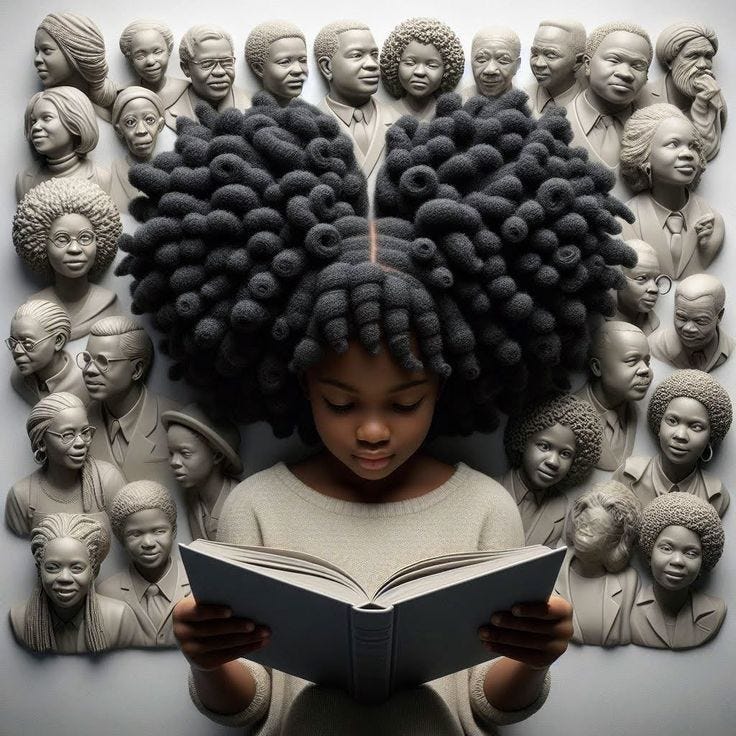
“If you don’t protect what you create, the world will still use it, still profit from it, and still praise it—your name just won’t be on the checks/Cheques”
“When I say “Bank & Breathe,” do not confuse it with passivity. This is not “manifest and do nothing.” This is: regulate, then move ruthlessly in your best interest.”

Edmond Albius and the Cost of No Ownership
In 1841, a 12-year-old enslaved boy named Edmond Albius discovered how to hand-pollinate vanilla using a simple stick and his thumb, a method that is still used globally today. His innovation transformed Réunion and Madagascar into major vanilla producers and helped unlock an industry now worth billions of dollars. Yet Edmond received no patent, no royalties, and no legal claim to the wealth his mind unlocked; he died in poverty at 51, while others built empires on his discovery.wikipedia+4
That is what it looks like when brilliance is disconnected from ownership, when a world-changing idea has no legal protection attached to the person who birthed it.
Old Story, New Money
Edmond’s story is extreme, but it is not rare. Today’s “new money” shows up as:
First-generation founders in tech.
Creatives with viral brands and bodies of work.
Innovators in arts, science, wellness, media, and beyond.
Many of them are the first in their family to touch real money, real visibility, or real leverage, yet they’re moving with no patents, no trademarks, no copyrights, and no clear ownership strategy. Some of our parents and grandparents did the same: they created products, franchises, movements, or phrases that changed communities, but never formalized ownership. The result? Their children and grandchildren became unpaid managers of a legacy they don’t legally control.jscottlaw+2
That is a quiet, modern form of economic enslavement: building systems your descendants must keep running, without giving them the legal keys to the house.
The Hard Truth About Intellectual Property and Generational Wealth
If you are new money, you cannot afford to be casual about intellectual property.
Patents protect inventions, processes, formulas, and technical solutions so others cannot legally use or profit from them without your permission.stonesalluslaw+1
Trademarks protect your brand identity—names, logos, taglines, and symbols that distinguish your work in the marketplace.thetilt+1
Copyright protects your original creative works: writing, music, art, video, software, designs, and more.
Together, these are the legal tools that convert your ideas, content, and innovations into assets that can pay your children, and your children’s children, in the form of licensing fees, royalties, and equity. Without them, your genius is just public property waiting to be harvested by whoever has better lawyers and more paperwork.
Your children can literally live off royalties from what you create, if you structure it that way. If you don’t, you’re asking them to maintain a name, a product, or a body of work that enriches everyone but them.
The 9‑to‑5 Genius Problem
Let’s talk about the 9‑5ers: the designers, engineers, strategists, product thinkers, and analysts who are new money in salary but old-story in ownership.
In many workplaces:
Anything created “within the scope of employment” is presumed to belong to the employer, especially for copyrightable work.gfrlaw+1
Inventions made as part of your job or under “hired to invent” expectations can give the company rights to the patent, often backed by assignment clauses in your contract or handbook.mololamken+2
Employment contracts often say that anything you create with company time, tools, or data belongs to the employer—and you get a salary while the company owns the asset.mcdermottiplaw+2
So you:
Build frameworks that become company “IP.”
Create decks that turn into repeatable offers.
Design processes that save millions.
They live on in the company long after you leave. The organization pockets the upside; you walk away with a LinkedIn bullet point.
That doesn’t mean you can or should own everything you touch at work, but it does mean you must know the rules. Without clear agreements, you may be giving away lifetime value for a biweekly check.plane+3

Other Ways People Lose Themselves and Their Money
New money loses itself in several quiet, common ways:
Ghost‑creating for institutions
Academics, researchers, and engineers whose names sit on papers while patents and commercial rights sit with universities, labs, or companies.jipel.law.nyu+1Artists signing predatory contracts
Musicians, writers, and filmmakers who sign away masters, publishing, or rights for quick advances, then watch others eat off their work for decades.Founders giving up too much equity too early
Tech and startup founders who surrender massive ownership stakes in the name of “opportunity,” then become high-paid employees of a company they started.Creators on platforms with no leverage
Content creators who grow audiences on platforms but never trademark their brand or license their content, making it easy for others to imitate, exploit, or outright steal.
In every case, the pattern is the same: people trading long-term ownership for short-term safety, validation, or relief.
Bank & Breathe Is Not Laziness
When I say “Bank & Breathe,” do not confuse it with passivity. This is not “manifest and do nothing.” This is: regulate, then move ruthlessly in your best interest.
Honoring your nervous system is a strategy.
If your mind is stuck in survival mode, you will sign bad contracts, underprice your genius, ignore trademarks, skip patents, and give away copyright because you are rushing for short-term relief. Nervous-system dysregulation keeps you in the rat race—grinding so hard you never slow down long enough to protect what you’re building.
A calm body makes better business decisions. A regulated nervous system can sit with a lawyer, read the fine print, think long-term, and choose equity over quick cash.
That is why my work with high achievers and first-generation wealth builders blends:
Behavioral finance to decode the patterns driving your money decisions.
Emotional awareness to surface the fear, shame, and urgency underneath your financial choices.
Rhythm-based financial practices to pace your earning, spending, protecting, and investing so you can build without burning out.
Bank & Breathe is not an excuse to coast; it is a method for exiting the chaos that keeps you exploitable.
Honoring your nervous system is how you step out of the rat race mentality that clouds your reasoning. It gives you enough internal quiet to ask:
Do I own this, or am I just producing it?
What part of this idea, brand, or system can be protected?
How do I want my children to participate in this, workers or beneficiaries?
Bank is the structure—IP, contracts, systems, strategy.
Breathe is the capacity—regulation, emotional clarity, rhythm.
When we bring those together, you stop being just talent and start being ownership.
From Exploited Genius to Protected Legacy
If Edmond Albius had lived in a world where his discovery could be patented in his name, his lineage could have shared in the billions generated by the vanilla industry today. Instead, he became a footnote in a story that made everyone else rich.smithsonianmag+4
You are not Edmond. You have access to information, lawyers, and systems he never had.
The hard-core truth is this:
If you invent and don’t patent, someone else will.
If you name and don’t trademark, someone else can own your name and send you a cease-and-desist.
If you create and don’t protect the work, you are volunteering your children’s inheritance to the marketplace.
New money often focuses on income, but generational wealth is built on ownership, structure, and protection. Your nervous system work is not a detour from this; it is what allows you to step out of panic long enough to claim it.
You are the first generation with the power to both heal your relationship with money and secure the legal framework that pays your descendants.
You are not behind. You are the first one in your line with a real chance to be brilliant, regulated, and properly paid.
“Results with Rhythm”
— Bank & Breathe
© 2026 Bank & Breathe. All rights reserved.